
|
 | AI for the Rest of Us One Thing I Learned |
|
| |
 |
| |
| Imagine you run a heating and air company. It's the first cold morning of the season, and the phones have been ringing since before sunrise. |
 |
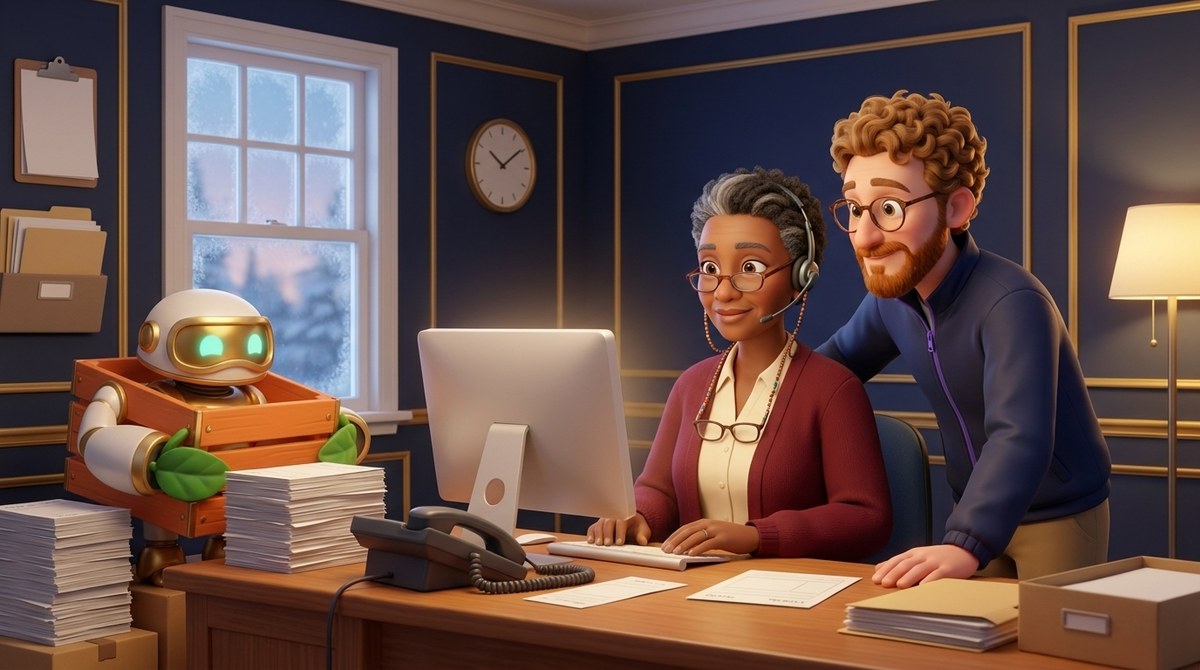
Scene 1. The sure answer. Dana runs your dispatch desk, and she has for years. She knows which customers exaggerate, which ones never call unless it's bad, and which street floods when it rains. A while back you gave her an AI tool to help sort the calls. Now it flashes a recommendation: send your best technician across town to Oak Street first. Next to it: very high confidence. Dana frowns. Her gut says the older couple on Pine Street, no heat, should come first. She asks the tool why. It tells her it's very confident. |
 |
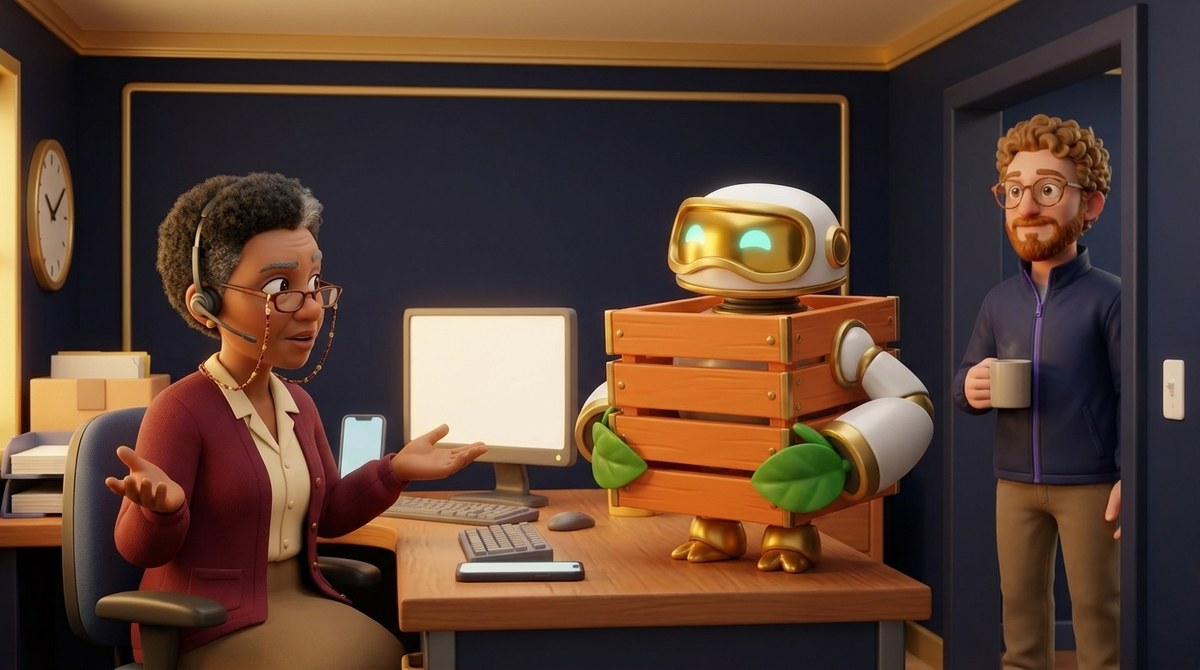
Scene 2. Sure is not a reason. If a new hire told you "trust me, I'm sure," you'd smile and ask to see the work. When an AI says it's confident, it's telling you how sure it feels about what it saw. It is not telling you whether what it saw was true. I watched a short IBM Technology video where Jeff Crume, a security expert, takes on exactly this. His rule: "It's verify, then trust. It's not trust, then verify." |
 |
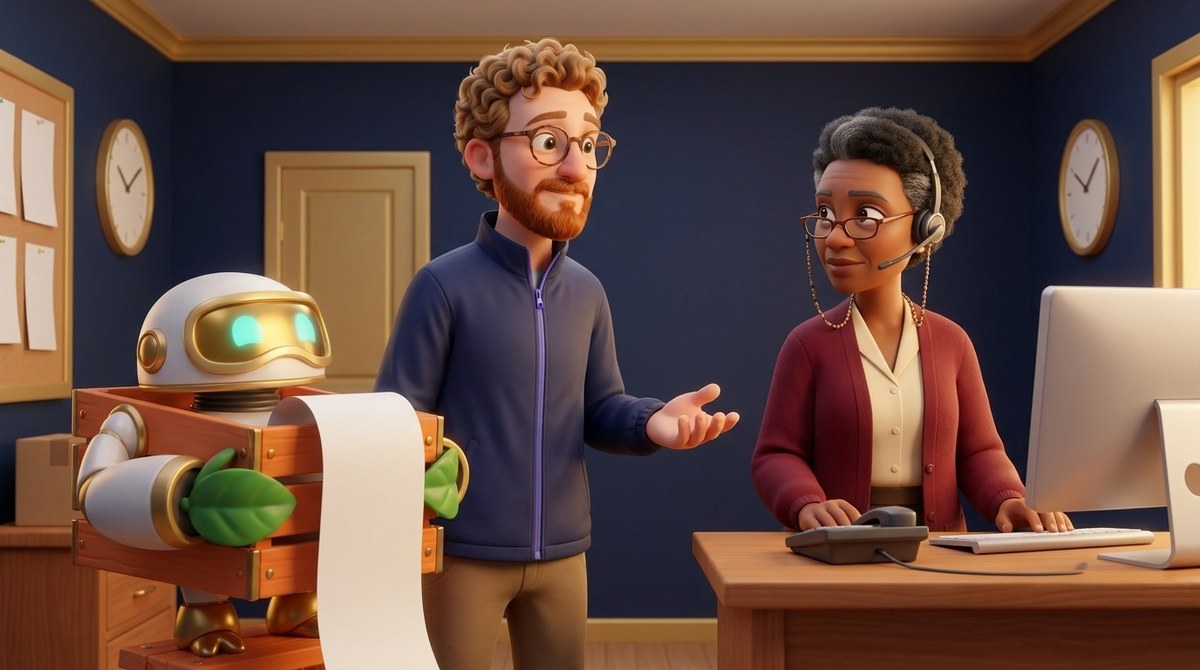
Scene 3. What went in. Dana opens the Oak Street ticket. Someone at the front desk typed "no heat." The customer had said "no hot water." The machine did its job perfectly, on a wrong note. A confident answer built on a bad input is still a bad answer. |
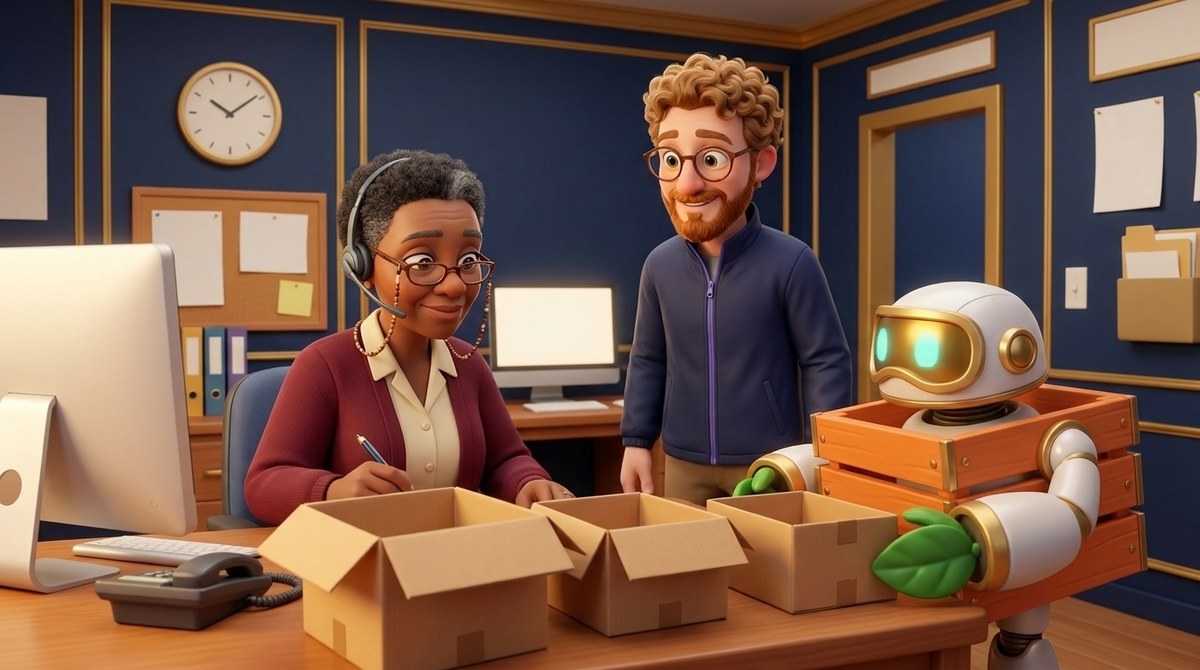 |
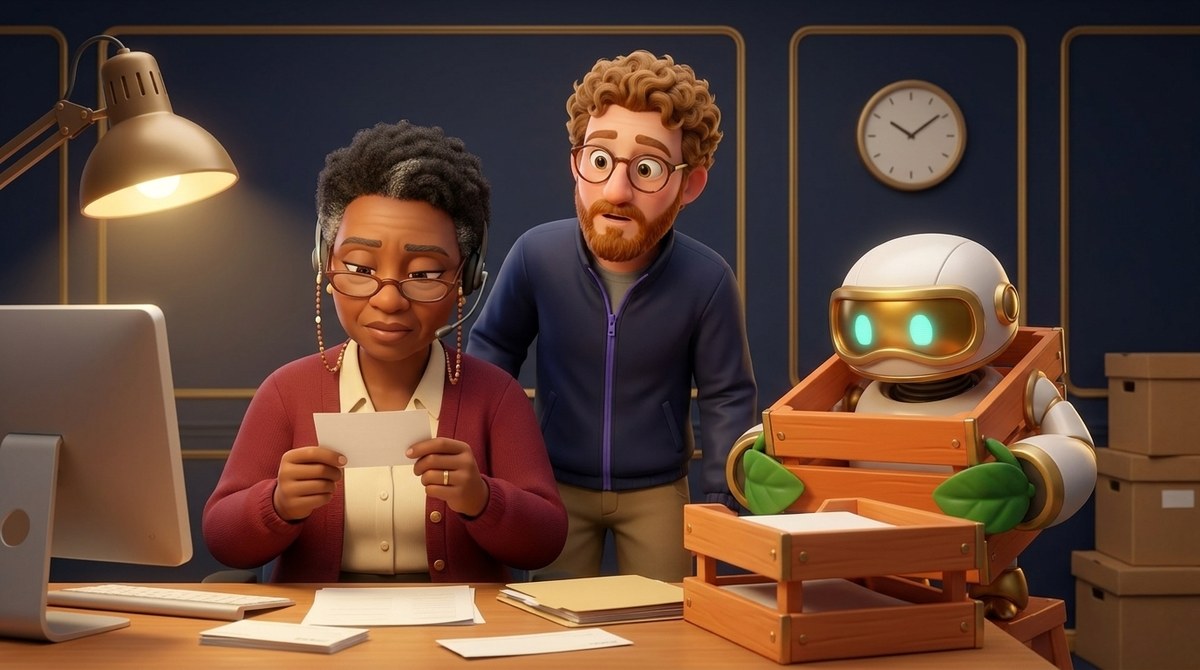
Scene 4. One big question becomes small ones. So you and Dana change how the tool works. It no longer answers one big question, "who goes first?" It answers small ones she can check at a glance. Is anyone at risk? What did the customer actually say? When were we last there? Then it makes its recommendation and shows every answer that led to it. |
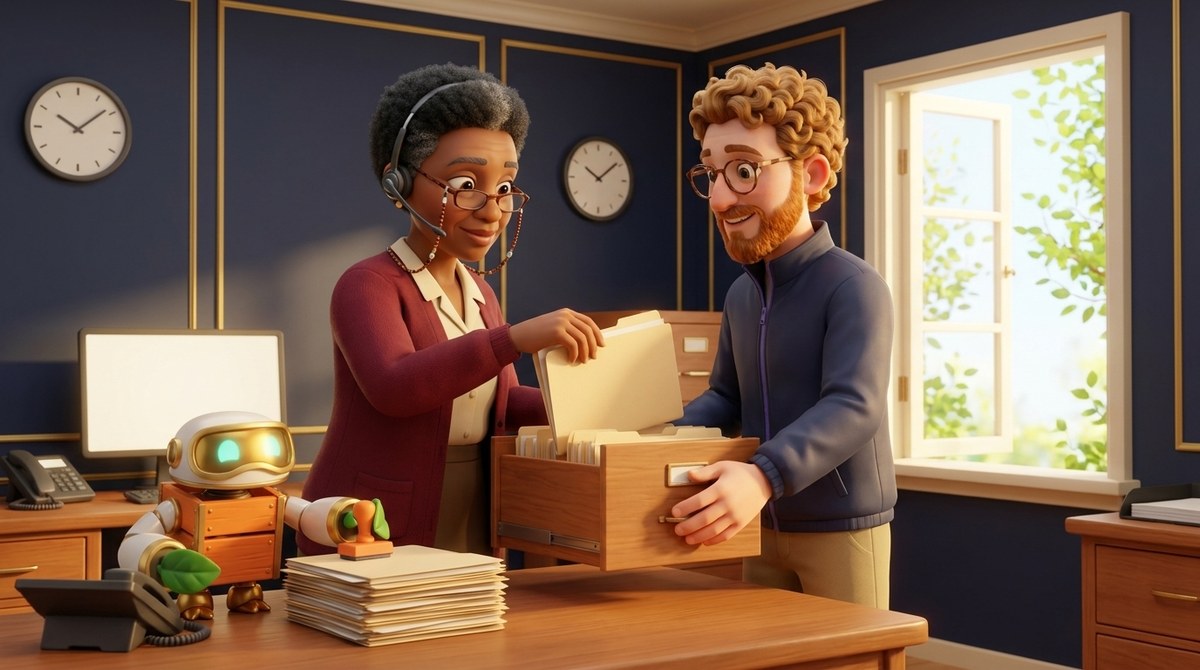 |
Scene 5. When it keeps being right. By spring the tool is right almost every time. That's the quiet danger: when something keeps being right, people stop looking. So Dana keeps a habit. Every Tuesday she picks a handful of the tool's calls and checks them. And the tool's reasons are saved where anyone on the team can read them, so the machine is never the only one that knows what happened. |
| Here are the four fixes Dana's desk teaches. |
| 1. Ask for the reason, not just the answer. |
| The fix: any decision your AI makes, it shows why, in words your people can read. |
| 2. Make the big question small. |
| The fix: break one decision into a few small questions a person can check in seconds. |
| 3. Check what goes in. |
| The fix: before you blame the AI, look at the note it was given. |
| 4. Keep checking when it's right. |
| The fix: a small spot check on a steady rhythm, and a written record anyone can open. |
| Ask why. Make it small. Check what goes in. Keep checking. |
| Here's the part that matters most. When the tool arrived, Dana was worried. She thought it was there to replace her. It turned out to be the opposite. The tool sorts faster than any person can. But Dana is the one who knows that "no heat" at an older couple's house is not the same as "no heat" at an empty rental. Her judgment is the check the machine can't do for itself. The AI is built around her craft, not instead of it. |
| If your team is nervous about AI, tell them this story. The more decisions you hand to a machine, the more you need the people who can tell when it's wrong. |
| Want to talk about your business? |
|
|
| How about you? | | › | When your AI gives an answer, can anyone on your team see why? | | › | Which decision in your business is one big question that could be three small ones? | | › | Who checks the notes your AI is given before it acts on them? | | › | When did someone last check an answer the AI got right? |
|
| So ask yourself: who in my business is allowed to say "show me why"? |
| Written with Claude, my AI assistant. |
| |