
|
 | AI for the Rest of Us One Thing I Learned |
|
| |
 |
| |
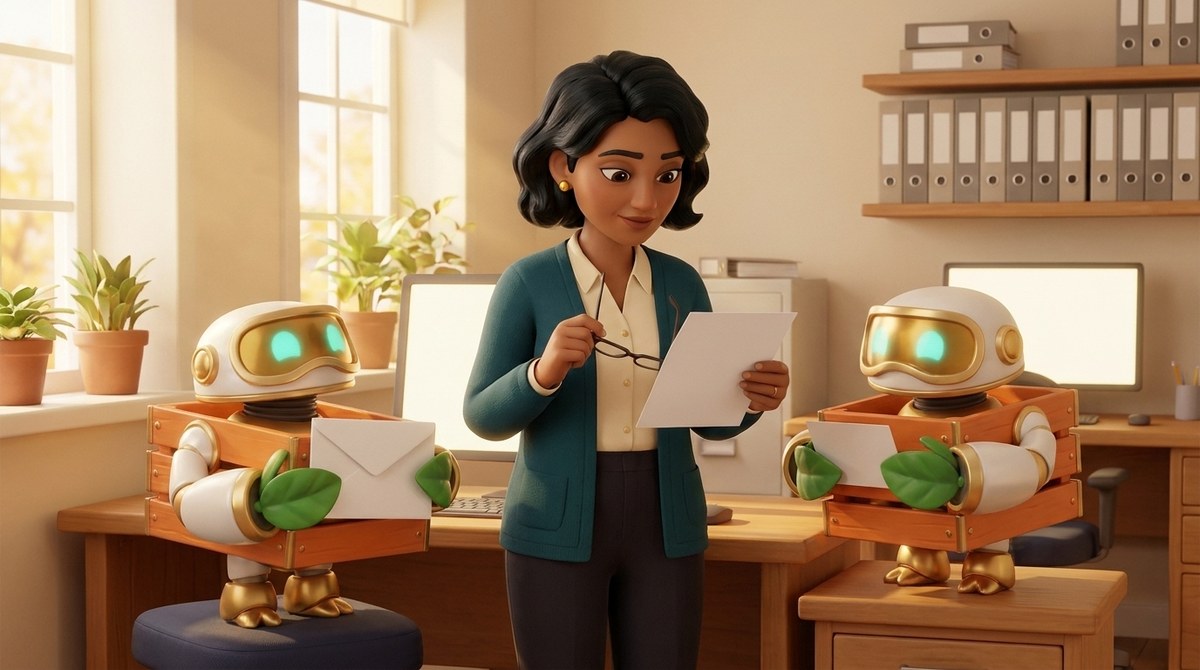
| Meet Priya. She runs a bookkeeping firm with three people and about ninety small-business clients. Every November she sends all of them one letter: what to gather before year-end, and by when. |
| One idea today: let the AI check the AI, and keep a person as the judge. |
 |
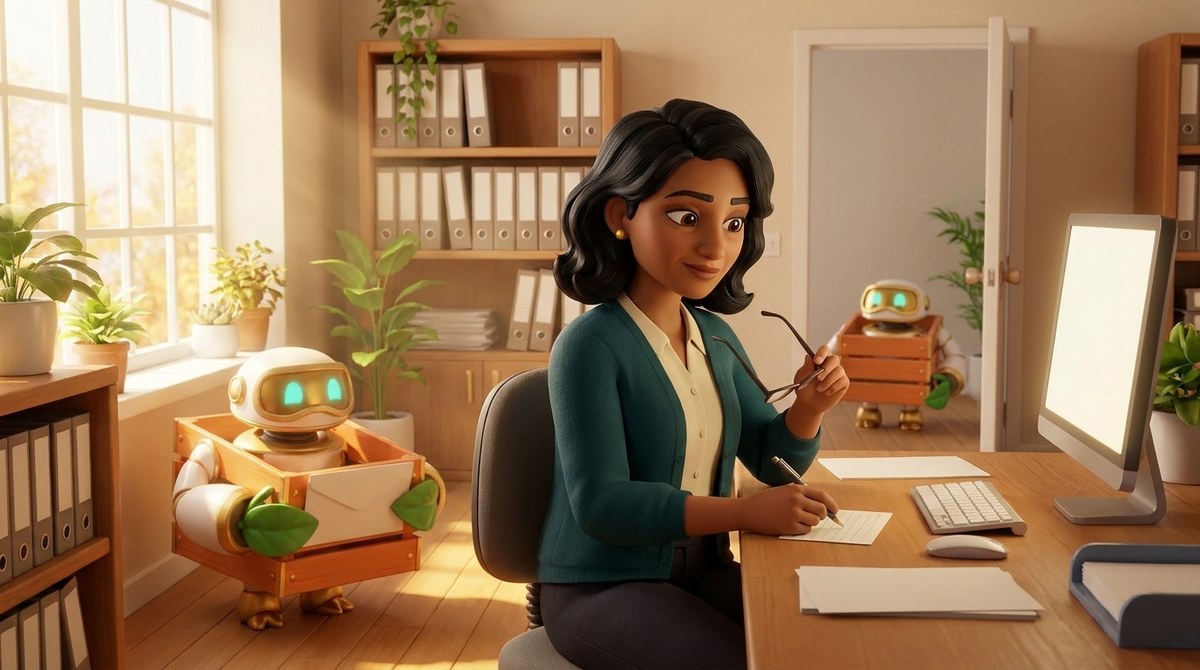
Scene 1. It looks perfect. Priya asks her AI to draft this year's letter. Two minutes later it's done: clear, friendly, well organized. To be safe, she asks the same chat to check its work. It reads it over and tells her it looks great. Of course it does. It's grading its own homework. |
 |
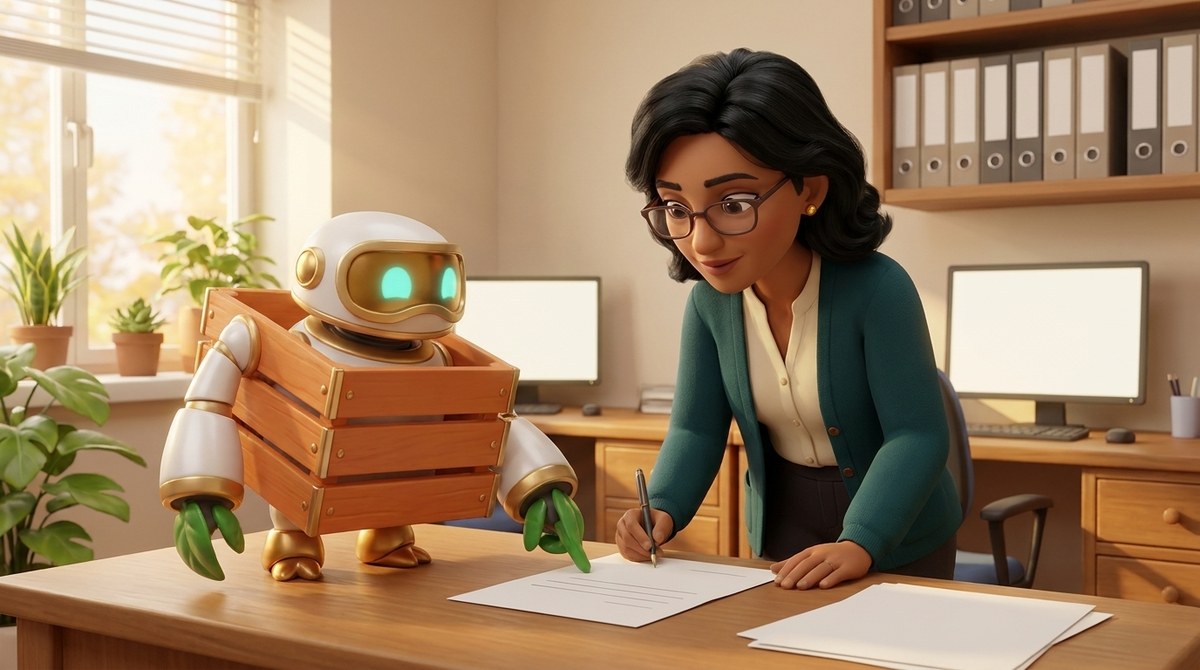
Scene 2. Rules first, then fresh eyes. So before she reads it again, Priya writes down three things that would make her reject the letter: a wrong date, a promise she never makes, and anything a client could mistake for tax advice. Then she opens a brand-new chat, one that never saw the letter being written. She pastes in the letter and her three rules and asks one question: does this pass, and why or why not? |
 |
Scene 3. What it caught. The fresh chat fails it on two counts. The January deadline is last year's date. And one friendly line says "we'll file your extension for you automatically," a promise Priya has never made to anyone. Two small fixes, and the letter is right. Then Priya reads it one last time and signs it. The checker found the problems. She made the call. |
| The one who wrote it doesn't grade it. Write the rules first, let a fresh AI check against them, and you stay the judge. |
| Why it works: rules written before the work starts can't quietly bend to fit whatever comes back. |
| I run my own business this way. In October, when my AI built a video tool for us, a fresh AI that had never seen it being written checked it against pass rules we wrote first. It found four mistakes the builder had missed. All four were fixed, and a second fresh checker confirmed the fixes. |
| Try this today. Before you let AI write something that matters, write down three things that would make you reject it. Then paste the finished work and your three rules into a fresh chat and ask: does this pass, and why or why not? |
| Here's the part that matters most. Checking shouldn't be one tired person's heroic effort at midnight. It's a step built into how work moves. The AI does the checking. Your people do the judging. |
| How about you? | | › | What did your AI write last month that nobody checked? | | › | What three rules would make you reject it? | | › | Who on your team is the judge, and do they know it? | | › | Where are you asking the same chat to grade its own work? |
|
| So ask yourself: who grades your AI's homework? |
| Want to talk about your business? Book 30 minutes with me. |
|
|
|
This Thursday, 19 November, 4:30 to 6:00 pm Eastern, I am teaching live and free. We set up Claude together, and you
ask it about the one thing eating your time. It is online and recorded, and no experience is needed. |
|
|
|
If you would like to keep going after that, the course is $250 for all 12 weeks, or $100 a month for three months.
|
| Written with Claude, my AI assistant. |
| |

