
|
 | AI for the Rest of Us One Thing I Learned |
|
| |
 |
| |
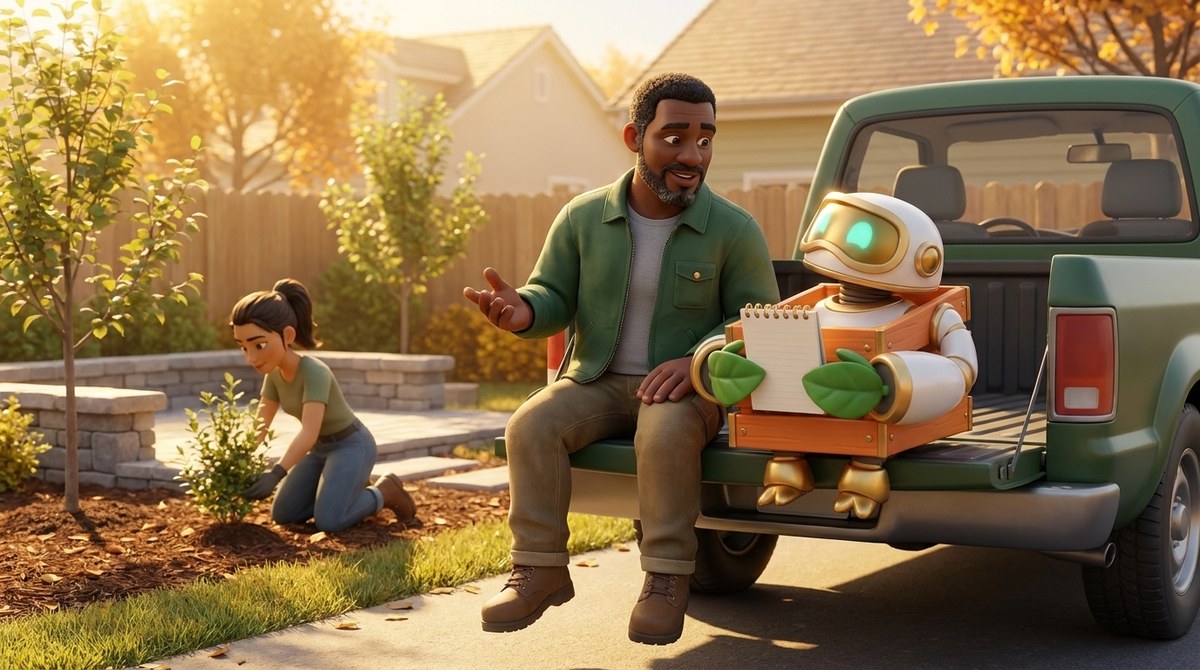
| Meet Marcus. He runs a landscaping company with a crew of six: patios, plantings, and the yards nobody else wants to touch. This week he wants new words for his website, the part that tells people who he is and why they should call. |
| After talking to people lately, I've come to think prompts aren't as important as most of us were told. Here's why, told through Marcus's week. |
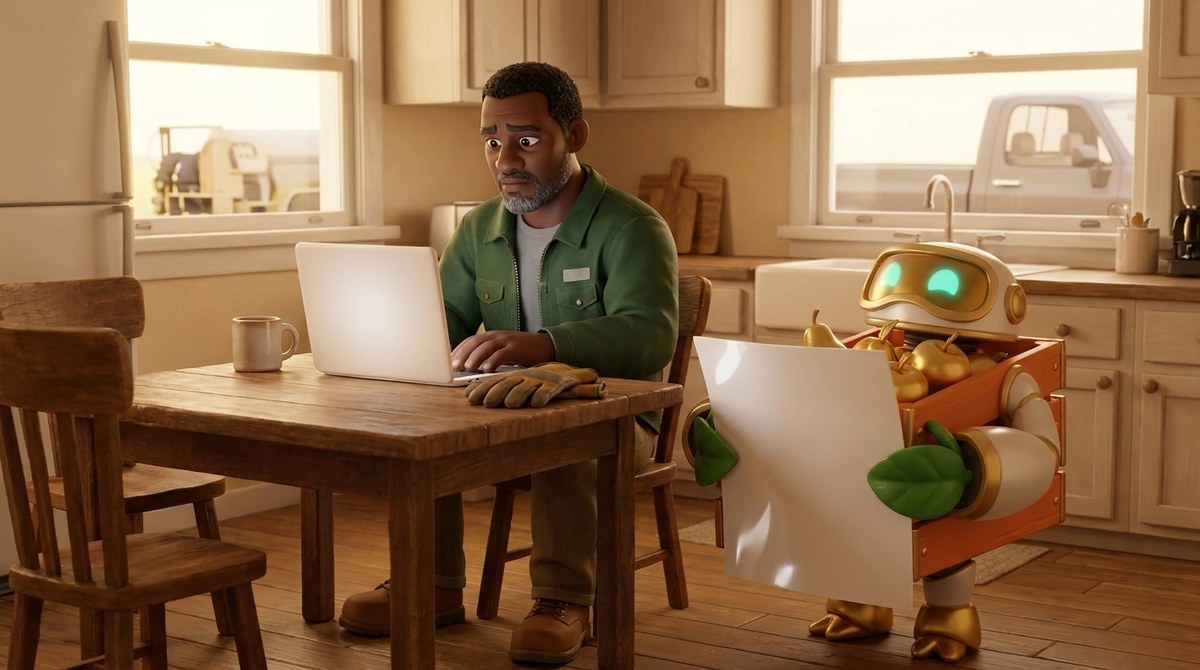 |
Scene 1. The perfect prompt. Marcus finds a prompt online that promises better results. It runs half a page. Think step by step. Double-check your work. Be thorough. He pastes it in and asks for his About page. What comes back is smooth and polished, and it could be any landscaper in the county. Quality work. Reliable service. Your satisfaction guaranteed. |
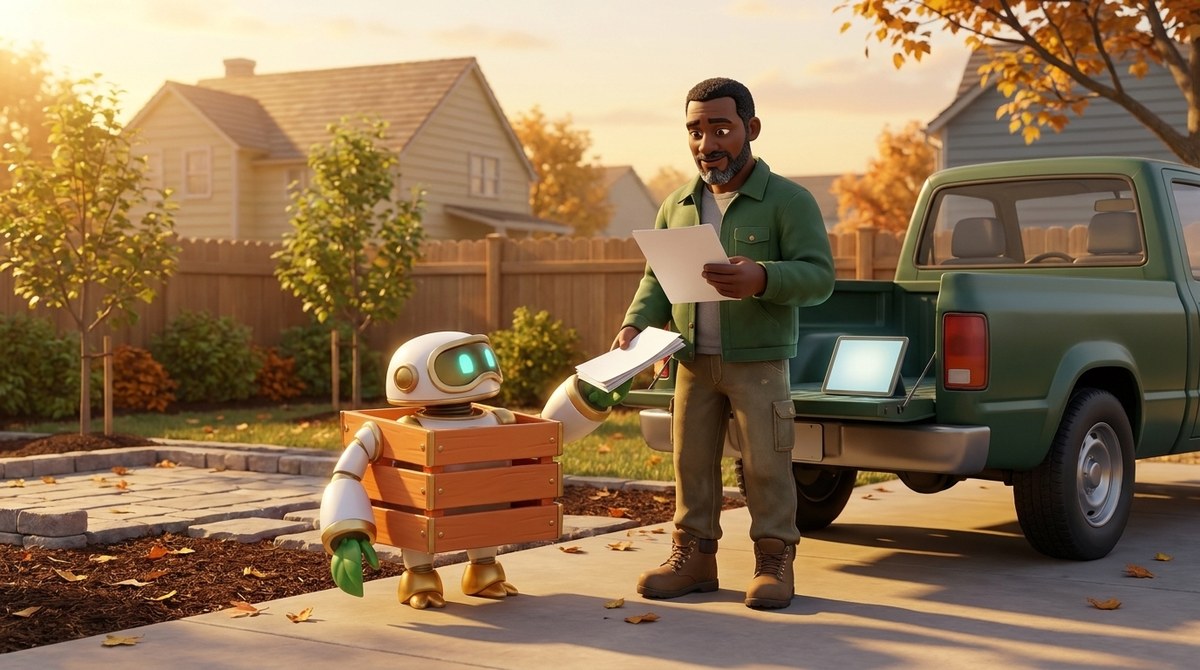 |
Scene 2. Let it look him up. Then he tries something smarter. A fellow guest on a podcast I was on recently shared a good idea: ask your AI to research you on the web and write your biography first. Marcus tries it. The AI finds his website, his reviews and an old directory listing with a phone number he stopped using two years ago. It's a better start. But it's only what anyone can find, some of it is out of date, and any competitor's AI would find the very same things. |
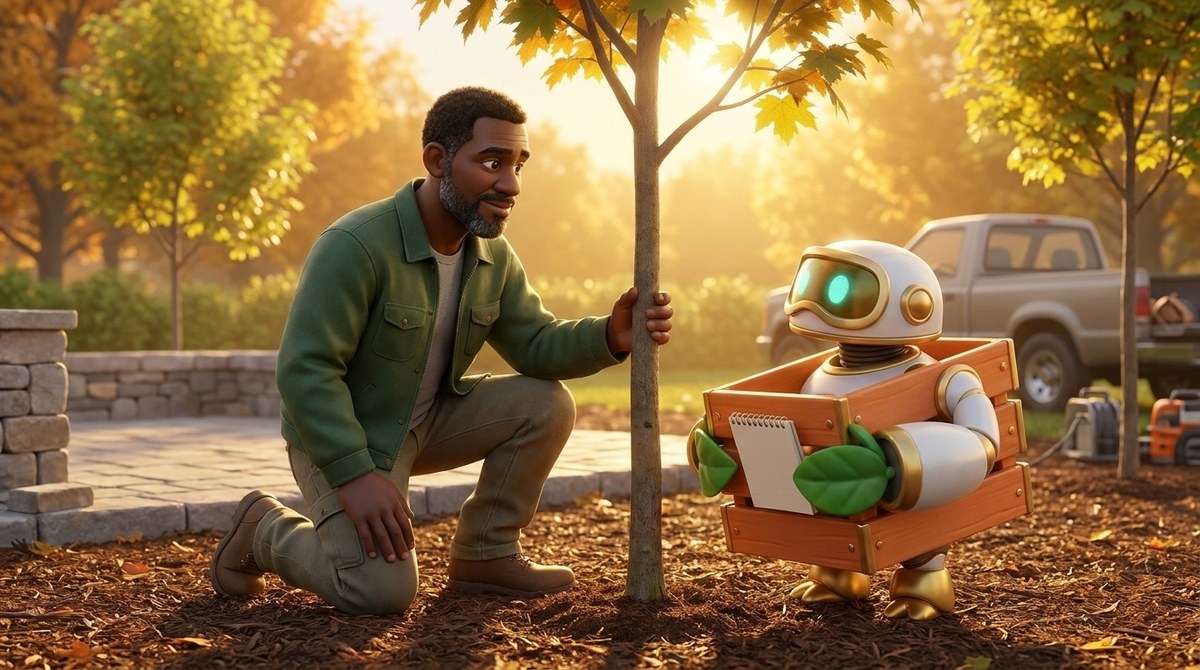 |
Scene 3. Interview me. So he types one short line: interview me about my business, one question at a time, then write the page. The AI asks which jobs he turns down, and why. What customers say when they call back a year later. What his crew does that other crews skip. Ten minutes later, here's part of what it writes: "We don't plant anything we wouldn't come back and water ourselves. If a tree we put in dies in its first year, we replace it. No argument, no invoice." No stranger could have written that. Only Marcus knew it. |
| The words of your prompt matter less every month. What your AI knows about you matters more. |
| The tricks part isn't only my opinion. In a recent talk, Lance Martin, a member of technical staff at Anthropic, makes the point that the old boosters, the kind Marcus pasted in, aren't needed on today's models, and can cost more and even work worse. As he puts it, "prompts accumulate debt just like code." The tricks stopped mattering. |
| The second half is mine. A web search tells your AI what the world already knows about you. An interview draws out what only you know: how you decide, what you refuse, why your customers stay. The search is a fine first step. The interview is where the value is. |
| Yes, "interview me" is a prompt too. It works because it's short, and all the weight is on your answers. |
| Try this tomorrow. Open your AI and type: interview me about my business, one question at a time, and ask at least ten questions before you write anything. Then keep the answers somewhere your AI can read them next time. |
| Here's the part that matters most. What makes your business yours lives in your head and in your team's heads. An AI business system draws it out, keeps it, and puts it to work. The AI is built around your people's knowledge, not instead of it. |
| Source: Lance Martin, "Your Old Prompts Are Making Claude Worse" (YouTube). |
| How about you? | | › | What does your AI know about you that a stranger couldn't find online? | | › | What would a ten-minute interview pull out of you that you've never written down? | | › | Which old prompt are you still pasting in out of habit? | | › | Who on your team knows things your AI should hear first? |
|
| So ask yourself: has your AI ever interviewed you? |
| Want to talk about your business? |
|
|
| Written with Claude, my AI assistant. |
| |